
In this exclusive interview with SlotsSpots, Michal Szafran, Yggdrasil’s Junior Game Producer, discusses his experience shaping the ninth chapter of the Vikings Go saga.
Building on a Legacy: The Making of Vikings Go To Hollywood
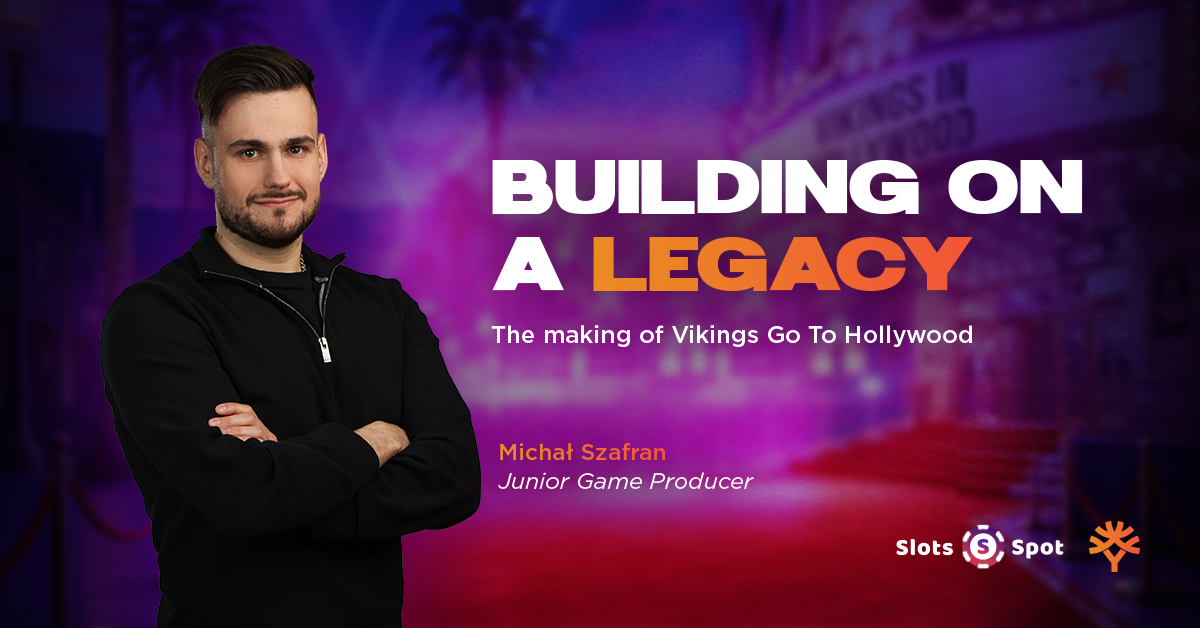
Moving from a Game Producer role in Yggdrasil’s studio programme, YGG Masters, to working on Yggdrasil’s own games was an exciting change for Michal Szafran. It became even more exciting when he discovered that one of his first tasks was to help produce the latest title in Yggdrasil’s legendary Vikings Go saga: Vikings Go To Hollywood WildFight™ RushingWilds™.
In this interview with SlotsSpots, the Junior Game Producer shares his experience and expectations for the latest chapter in the saga.
You previously worked with the YGG Masters team and have now moved into Yggdrasil’s Core Games team. What is the biggest difference between the two experiences?
The two roles are related, but they live in completely different places. On the Masters side, my job was to help our partner studios succeed, nudging them when deadlines needed a push, digging into the technical side when it mattered, and making sure they got seen by the operators they were building for. It was a good, close relationship, but I was still standing next to the process, not in it.
As a Game Producer, I’m in the eye of the storm. I’m talking to everyone on the team, every day, making sure what each person builds actually comes together as a whole, and for the first time I get to throw my own ideas into that mix and help shape the game itself. It’s the difference between being a trusted hand that helps a project land, and being one of the people in the room who create the game.
Vikings Go To Hollywood is the latest chapter of a long-running franchise. How much of the game had to be built from scratch, and where did most of the development effort go?
What I can tell you is that this wasn’t a project built from a blank page. Vikings Go is one of Yggdrasil’s flagship franchises, and these characters are like symbols: they don’t change much, and we already know how to work with them. So, the real time and energy went into the story we wanted to tell, not into reinventing the wheel.
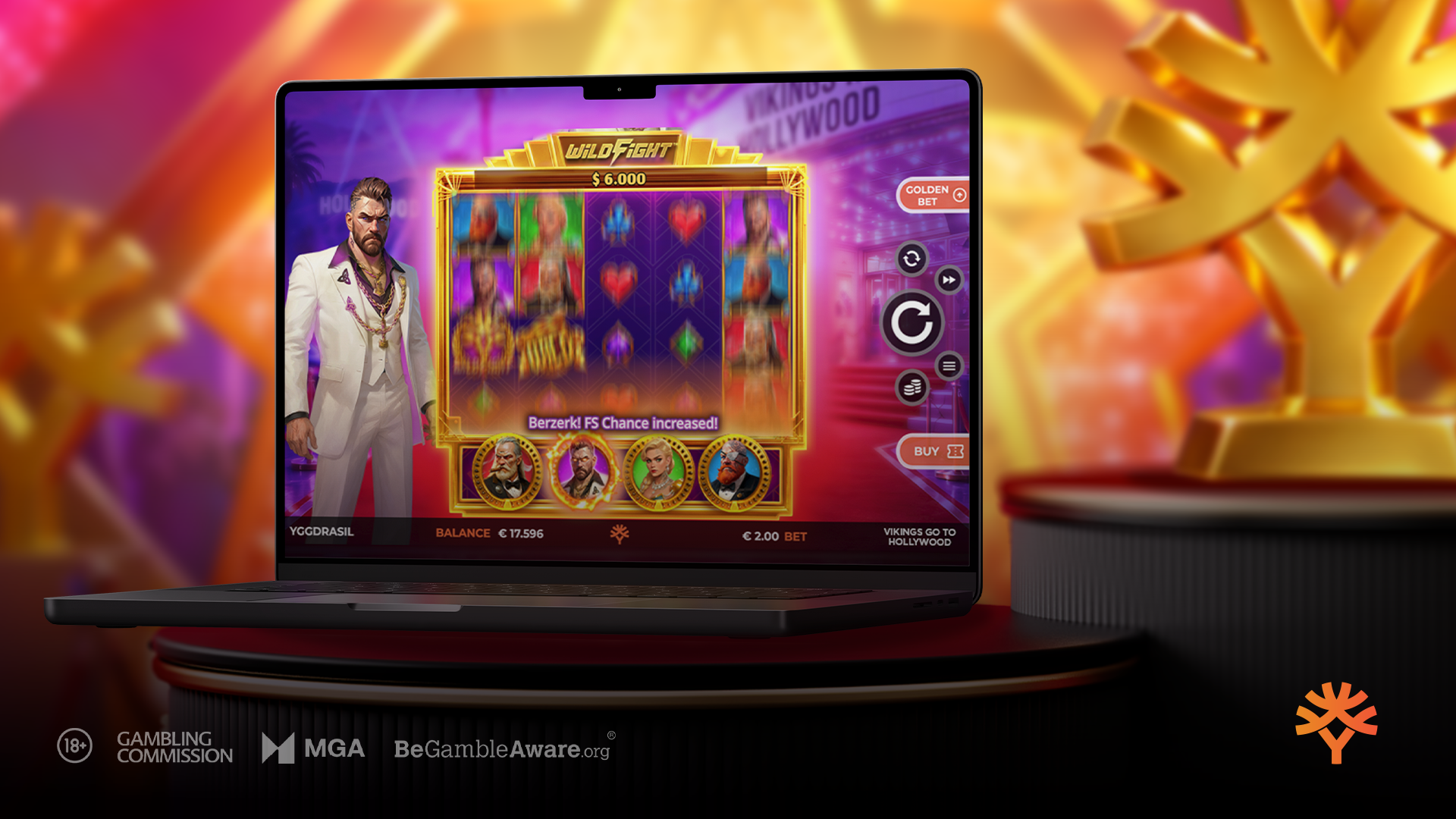
What was the most challenging part of producing the game?
Honestly? The weight of it. This was one of my first games as Game Producer at Yggdrasil, and it happened to be a Vikings game: one of the titles the company cares for the most. That’s a strange kind of pressure to carry, you know exactly how much this needs to land, and how much it needs to feel connected to everything that came before it.
But that pressure cuts both ways. Getting handed one of your company’s most important franchises this early in the role is scary, sure — but it’s also the kind of thing you’re genuinely happy about, because it means someone believes you can deliver it right.
Did any part of the original concept change significantly during development before reaching the final version?
Not really. The heart of the idea stayed put from early on. We wanted to pull the Vikings out of mythology entirely and drop them somewhere brand new, the same way we did with Vikings Go To Vegas. These characters have earned their status as stars of Yggdrasil, so the thinking was simple: give them a stage worthy of that, a bit of rest between their fights, and let them collect the kind of trophies a star deserves. Once we landed in Hollywood, it fit. The work after that was about setting the details, not changing direction.
How did the team combine the Vikings’ established identity with the Hollywood theme while still making the game feel like part of the same saga?
The Vikings themselves are the glue. They’re not characters that live in one game and disappear – they’re icons of Yggdrasil, mascots that travel between titles, and they’ve been part of the company’s identity, rooted in Nordic culture, since day one. So, no matter what world we drop them into, they carry that history with them.
That’s why, even with a backdrop as different as Hollywood, a fan who’s followed these characters can still feel them: same Vikings, new stage. It’s less “here’s a new game” and more “here’s where they’ve traveled next.”